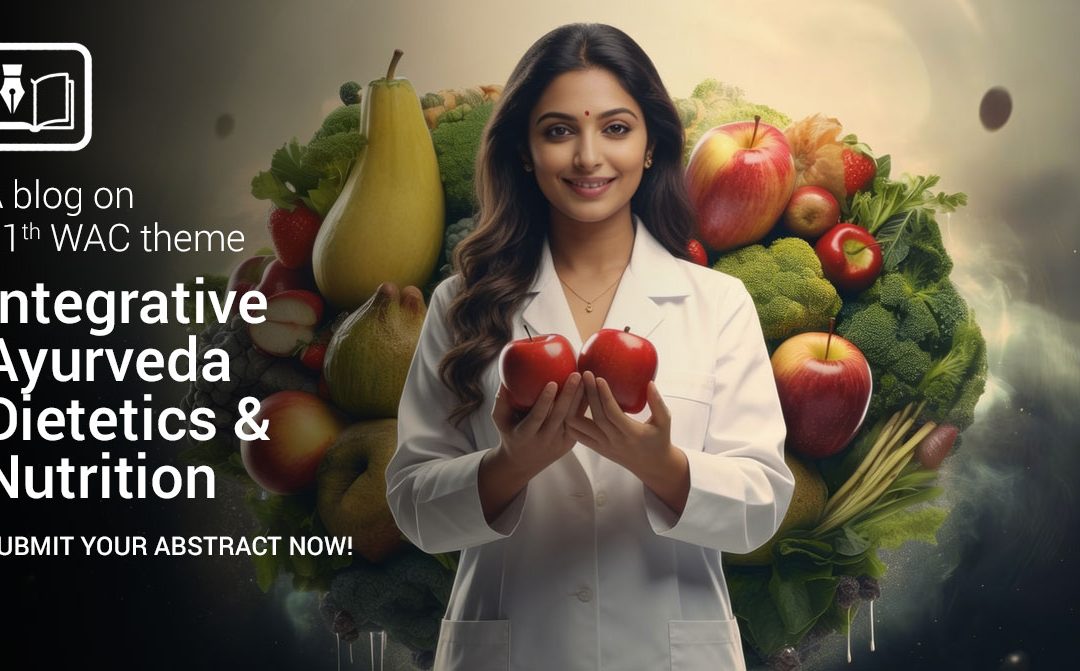
Integrative Ayurveda Dietetics & Nutrition

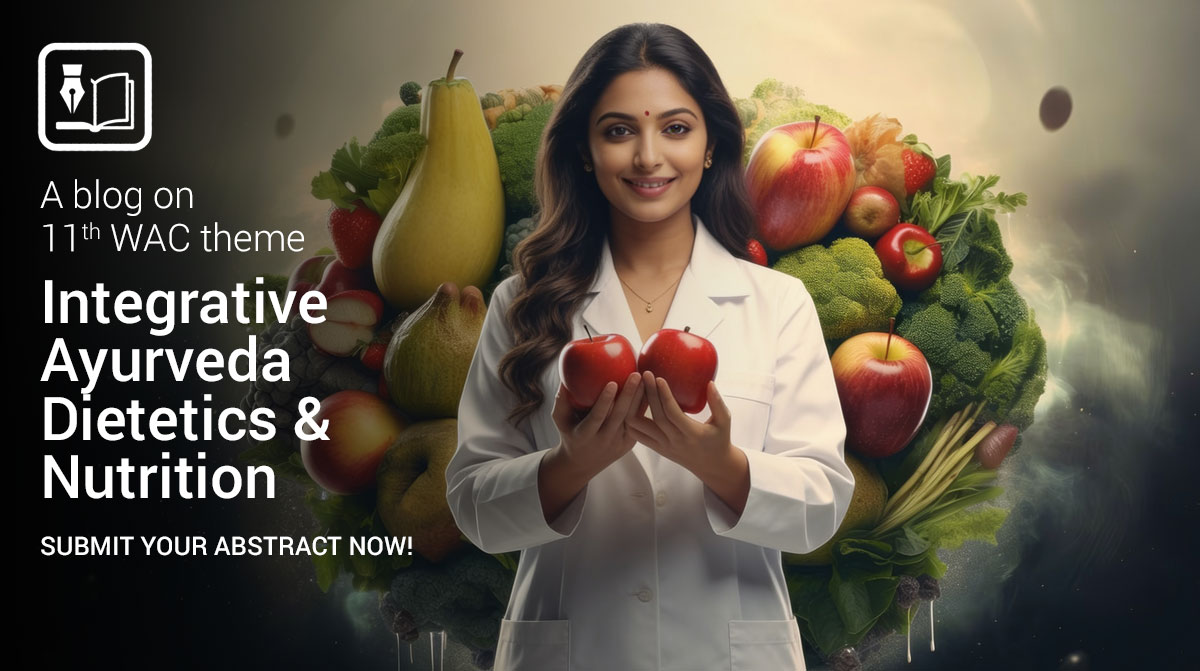
Integrative Ayurveda Dietetics & Nutrition: Advancing Personalized Nutrition for Global Health
Nutrition is one of the most powerful determinants of health, influencing growth, immunity, metabolism, longevity, and disease prevention. While modern nutritional science has made significant progress in understanding nutrients and metabolism, the rising global burden of obesity, diabetes, cardiovascular diseases, digestive disorders, and other lifestyle-related illnesses highlights the need for more holistic and personalized dietary approaches.
Recognizing this need, the 11th World Ayurveda Congress & Arogya Expo 2026, to be held in Bhubaneswar, Odisha, India, from 10–13 December 2026, has identified “Integrative Ayurveda Dietetics & Nutrition” as one of its key scientific themes under the overarching theme “Integrative Ayurveda for Global Health.” The Congress aims to bring together researchers, nutritionists, clinicians, Ayurvedic physicians, food scientists, and public health experts to explore how Ayurveda and modern nutritional science can complement each other to improve global health outcomes.
Ayurveda: A Personalized Approach to Nutrition
Ayurveda has always viewed food as the foundation of health. Rather than focusing solely on calories or nutrients, it considers diet a therapeutic tool that maintains balance, prevents disease, and supports physical, mental, and emotional well-being.
A central principle of Ayurvedic dietetics is Prakriti—the unique constitutional makeup of each individual based on the balance of Vata, Pitta, and Kapha Doshas. This concept recognizes that no single diet is suitable for everyone. Nutritional recommendations should be tailored to an individual’s constitution, age, digestive capacity, lifestyle, climate, and health status, closely aligning with today’s growing field of precision nutrition.
Another fundamental concept is Agni, the digestive and metabolic fire responsible for digestion, nutrient absorption, and metabolism. Ayurveda teaches that strong Agni promotes vitality and immunity, while impaired digestion leads to the accumulation of Ama (metabolic toxins), contributing to chronic diseases. Modern research on gut health, metabolism, and the microbiome increasingly supports the importance of digestive function in maintaining overall health.
Integrating Ancient Wisdom with Modern Science
The future of nutrition lies in integrating traditional knowledge with contemporary scientific evidence. Ayurveda offers valuable perspectives that complement advances in nutritional science.
Precision Nutrition
Modern healthcare is moving toward personalized dietary recommendations based on genetics, metabolism, biomarkers, and lifestyle. Ayurveda has long practiced individualized nutrition through Prakriti-based dietary planning. Research exploring the relationship between Prakriti, genomics, and metabolomics has the potential to strengthen evidence for precision nutrition.
Gut Health and the Microbiome
The gut microbiome plays a vital role in immunity, digestion, mental health, and metabolism. Ayurvedic principles emphasizing digestive health, balanced eating, fermented foods, and digestive herbs may contribute to maintaining a healthy gut ecosystem. Integrating microbiome research with Ayurvedic concepts such as Agni and Ama offers exciting opportunities for future scientific exploration.
Functional Foods and Nutraceuticals
Many foods and herbs traditionally used in Ayurveda are now recognized for their bioactive properties. Ingredients such as turmeric, ginger, amla, moringa, tulsi, garlic, sesame, and millets are being investigated for their antioxidant, anti-inflammatory, immune-supporting, and metabolic benefits. Continued research can help validate their role in integrative nutrition and preventive healthcare.
Nutrition Across the Life Course
Ayurveda recognizes that nutritional requirements change throughout different stages of life. It provides detailed dietary guidance for maternal health, pregnancy, childhood, adulthood, and healthy ageing.
Ayurvedic principles can complement modern nutritional strategies by supporting maternal and child health, enhancing immunity, promoting cognitive development, and improving quality of life in older adults through Rasayana (rejuvenation) therapies and balanced nutrition.
Addressing Lifestyle Disorders
Lifestyle diseases account for a significant proportion of the global disease burden. Integrative nutritional approaches combining evidence-based dietary science with Ayurvedic dietary planning may contribute to the prevention and management of conditions such as:
- Diabetes
- Obesity
- Hypertension
- Cardiovascular diseases
- Fatty liver disease
- Digestive disorders
- Arthritis
- Metabolic syndrome
- Polycystic ovarian syndrome (PCOS)
Personalized dietary interventions, combined with healthy lifestyle practices, can support long-term disease prevention and improved patient outcomes.
Sustainable Nutrition for the Future
Ayurveda promotes harmony between humans and nature by encouraging seasonal eating, locally sourced foods, biodiversity, mindful consumption, and minimal food waste. These principles closely align with global efforts to build sustainable food systems that benefit both human health and the environment.
As climate change and food security become increasingly important public health concerns, Ayurvedic dietary philosophy offers valuable insights into environmentally responsible nutrition.
Technology and Digital Nutrition
Digital health technologies are transforming nutritional care through artificial intelligence, wearable devices, mobile health applications, dietary assessment tools, and personalized nutrition platforms. Integrating Ayurvedic principles into these emerging technologies can help deliver individualized nutritional guidance to larger populations while preserving the holistic philosophy of Ayurveda.
Research Priorities
To strengthen the scientific foundation of Integrative Ayurveda Dietetics & Nutrition, collaborative research is essential. Key areas include:
- Clinical trials evaluating Ayurvedic dietary interventions
- Precision nutrition and nutrigenomics
- Gut microbiome research
- Functional foods and nutraceuticals
- Lifestyle disease management
- Maternal and child nutrition
- Healthy ageing and Rasayana nutrition
- Community and public health nutrition
- Sustainable food systems
- Artificial intelligence and digital nutrition
- Health economics and translational research
Interdisciplinary collaboration among Ayurvedic practitioners, nutritionists, clinicians, food scientists, public health experts, and biomedical researchers will be crucial in generating high-quality evidence and developing globally accepted integrative nutritional practices.
The Role of the 11th World Ayurveda Congress
The 11th World Ayurveda Congress & Arogya Expo 2026 offers a global platform for researchers and healthcare professionals to exchange knowledge, present scientific findings, and foster collaborations in Integrative Ayurveda Dietetics & Nutrition.
The Congress seeks to advance evidence-based research while preserving Ayurveda’s holistic principles, ultimately contributing to healthier populations through personalized, preventive, and sustainable nutritional healthcare.
Call for Papers
Researchers, academicians, Ayurvedic physicians, nutritionists, dietitians, food scientists, clinicians, postgraduate scholars, and public health professionals are invited to submit original research papers and abstracts under the theme “Integrative Ayurveda Dietetics & Nutrition” for presentation at the 11th World Ayurveda Congress & Arogya Expo 2026.
Suggested topics include:
- Personalized Ayurvedic nutrition
- Prakriti-based dietetics
- Integrative clinical nutrition
- Gut microbiome and digestive health
- Functional foods and nutraceuticals
- Rasayana nutrition
- Lifestyle disorders and nutrition
- Maternal, child, and geriatric nutrition
- Sustainable food systems
- Precision nutrition and nutrigenomics
- AI and digital nutrition
- Community nutrition and public health
Share your research, contribute to the growing evidence base for Integrative Ayurveda, and join global experts in shaping the future of nutrition and healthcare.
Submit your abstract today and be part of the scientific dialogue at the 11th World Ayurveda Congress & Arogya Expo 2026 in Bhubaneswar, Odisha, India (10–13 December 2026).