Integrative Ayurveda for One Health


Integrative Ayurveda for One Health: Building a Healthier Future Through Holistic Science
The health of humans, animals, plants, and the environment is deeply interconnected. Emerging infectious diseases, antimicrobial resistance, climate change, biodiversity loss, and environmental degradation have highlighted the need for a holistic approach to health. This has led to the global adoption of the One Health concept, which promotes collaboration across human, animal, and environmental health sectors to achieve sustainable well-being.
Recognizing the significance of this approach, the 11th World Ayurveda Congress & Arogya Expo 2026, to be held in Bhubaneswar, Odisha, India, from 10–13 December 2026, has identified “Integrative Ayurveda for One Health” as one of its major scientific themes under the overarching theme “Integrative Ayurveda for Global Health.” The Congress invites researchers, clinicians, veterinarians, environmental scientists, public health experts, and policymakers to explore how Ayurveda can contribute to addressing today’s complex health challenges through interdisciplinary collaboration.
Understanding One Health
One Health is a collaborative approach that recognizes the close relationship between human health, animal health, plant health, and the environment. Supported by global organizations such as the World Health Organization (WHO), the Food and Agriculture Organization (FAO), the World Organisation for Animal Health (WOAH), and the United Nations Environment Programme (UNEP), the framework emphasizes that sustainable health solutions require coordinated action across multiple disciplines.
The COVID-19 pandemic, increasing zoonotic diseases, and the impact of climate change have reinforced the importance of integrated healthcare systems that focus on prevention, resilience, and sustainability.
Ayurveda and the One Health Philosophy
Ayurveda has long embraced the principle that human well-being depends on harmony with nature. Classical Ayurvedic texts describe health as a balance between the body, mind, spirit, and the surrounding environment. Concepts such as Lokapurusha Samya (the relationship between the individual and the universe), Panchamahabhutas (the five elements), and Ritucharya (seasonal living) reflect an ecological understanding of health that closely aligns with the One Health philosophy.
This holistic perspective positions Ayurveda as a valuable contributor to modern integrated healthcare.
Prevention as the Foundation
Prevention is central to Ayurveda. Daily routines (Dinacharya), seasonal regimens (Ritucharya), balanced nutrition, yoga, meditation, and Rasayana (rejuvenation) therapies are designed to strengthen immunity, maintain health, and prevent disease before it develops.
As healthcare systems increasingly prioritize preventive medicine to reduce the burden of chronic diseases, Ayurvedic principles offer practical strategies that complement public health initiatives and promote long-term wellness.
Veterinary Health and Sustainable Agriculture
Animal health is essential for food security, livelihoods, and ecosystem balance. Ayurveda has a rich tradition of veterinary medicine, offering insights into animal nutrition, disease prevention, and natural healthcare practices.
Integrative veterinary approaches may support sustainable livestock management, improve animal welfare, and reduce excessive antibiotic use, contributing to global efforts against antimicrobial resistance.
Ayurvedic principles also promote sustainable agriculture through biodiversity conservation, medicinal plant cultivation, healthy soils, and environmentally responsible farming practices. These approaches align with global goals for food security and ecological sustainability.
Environment, Nutrition, and Climate
Environmental health directly influences the health of all living beings. Pollution, biodiversity loss, and climate change increase the risk of disease and threaten food systems worldwide.
Ayurveda encourages seasonal living, locally sourced foods, mindful consumption, and conservation of natural resources. These principles support sustainable nutrition, resilient food systems, and healthier ecosystems while contributing to the United Nations Sustainable Development Goals.
Technology and One Health
Modern technologies such as artificial intelligence, digital health platforms, geographic information systems, wearable devices, and predictive disease surveillance are transforming healthcare delivery.
Integrating Ayurvedic knowledge into these technologies can strengthen preventive healthcare, nutrition planning, environmental monitoring, and community health programmes, creating innovative solutions that combine traditional wisdom with modern science.
Research Priorities
Advancing Integrative Ayurveda for One Health requires strong scientific evidence and interdisciplinary collaboration. Priority research areas include:
- Preventive healthcare and public health
- Veterinary Ayurveda
- Zoonotic disease prevention
- Medicinal plants and biodiversity conservation
- Sustainable agriculture and agroecology
- Nutrition and food security
- Climate change and environmental health
- Antimicrobial resistance
- Artificial intelligence and digital health
- Community health models
- Health policy and translational research
Collaboration among Ayurvedic physicians, veterinarians, environmental scientists, agricultural experts, epidemiologists, public health professionals, and policymakers will be essential for developing evidence-based solutions to global health challenges.
The Role of the 11th World Ayurveda Congress
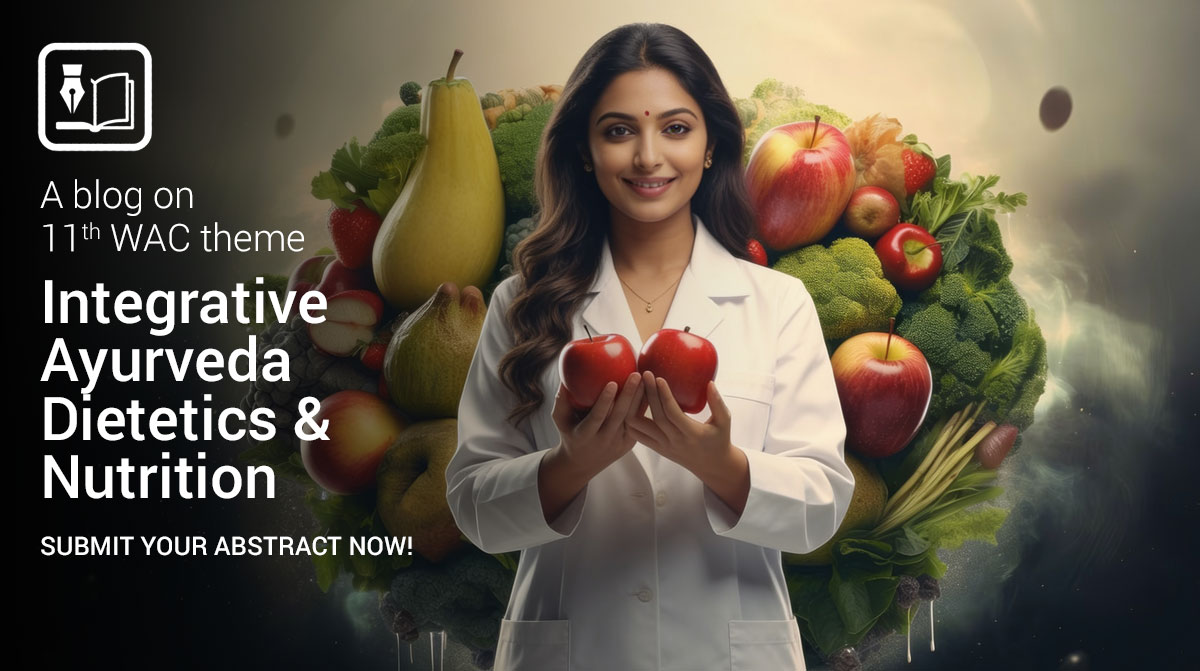
The 11th World Ayurveda Congress & Arogya Expo 2026 provides a global platform for presenting research, sharing best practices, and fostering collaboration across disciplines. By bringing together experts from healthcare, veterinary science, agriculture, environmental studies, nutrition, and technology, the Congress aims to strengthen the scientific foundation of Integrative Ayurveda for One Health.
The theme reflects Ayurveda’s enduring philosophy that the health of individuals, communities, animals, and ecosystems is interconnected. Integrating this wisdom with contemporary scientific research can help build resilient, sustainable, and equitable healthcare systems for the future.
Call for Papers
Researchers, academicians, Ayurvedic physicians, veterinarians, environmental scientists, agricultural experts, public health professionals, policymakers, postgraduate scholars, and students are invited to submit original research papers and abstracts under the scientific theme “Integrative Ayurveda for One Health” at the 11th World Ayurveda Congress & Arogya Expo 2026.
Suggested topics include:
- One Health and preventive healthcare
- Veterinary Ayurveda
- Zoonotic diseases
- Sustainable agriculture and agroecology
- Medicinal plants and biodiversity
- Nutrition and food security
- Climate change and environmental health
- Antimicrobial resistance
- AI and digital health
- Community health and public policy
- Translational and interdisciplinary research
Join the global scientific community in advancing Integrative Ayurveda for One Health. Submit your abstract for the 11th World Ayurveda Congress & Arogya Expo 2026 and contribute to shaping a healthier, more sustainable future for people, animals, and the planet.