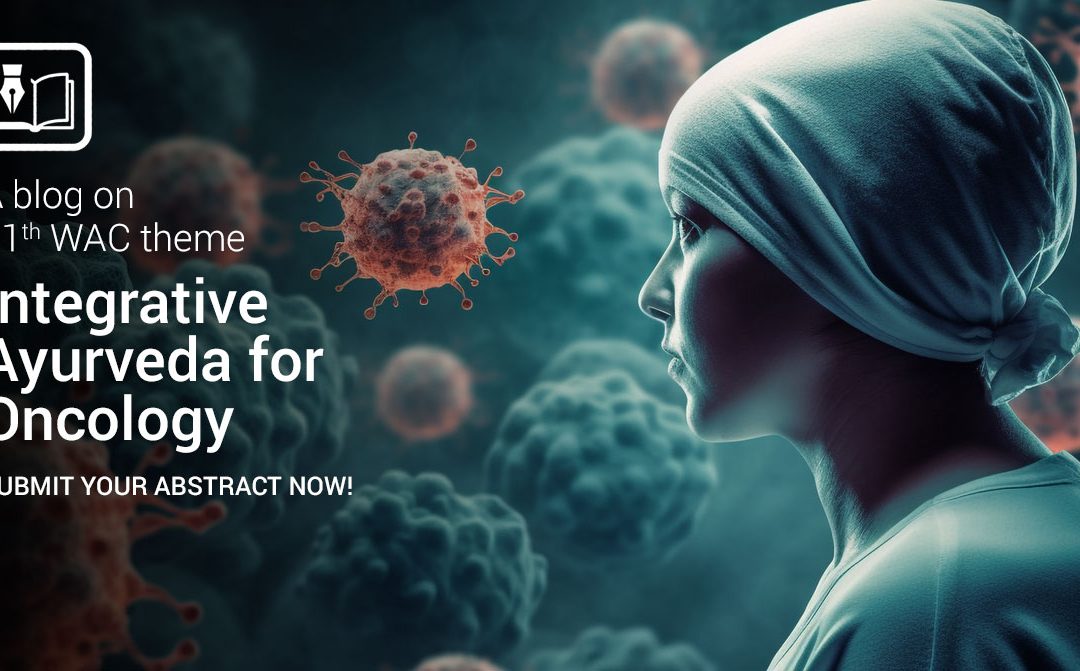
Integrative Ayurveda for Oncology

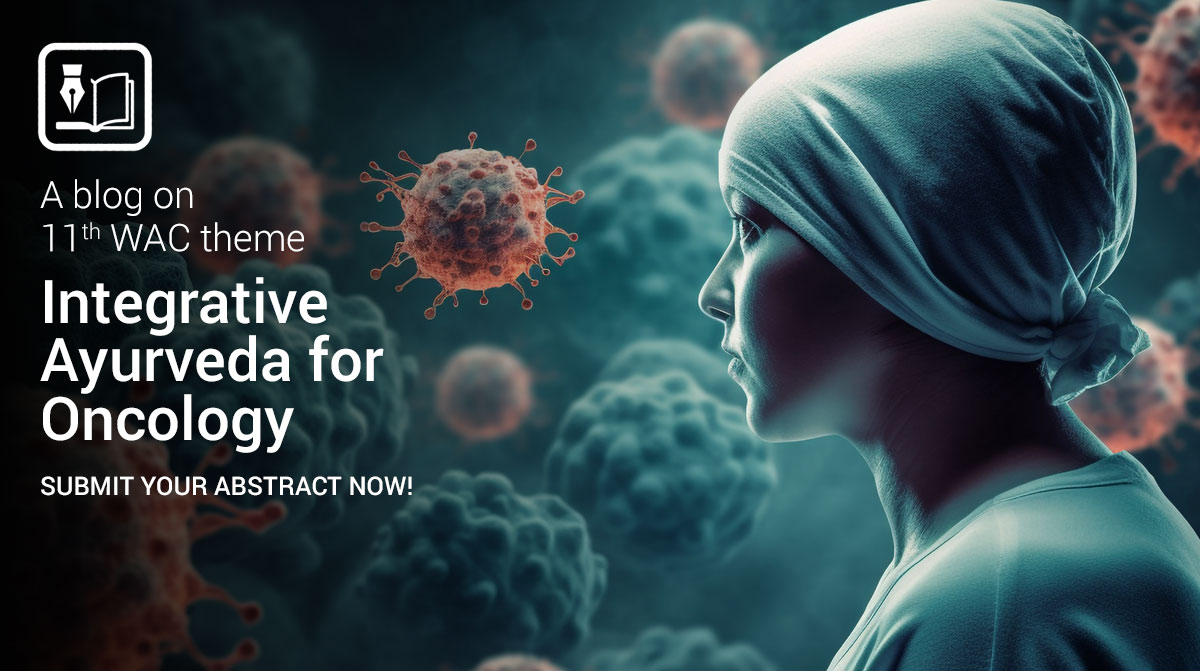
Integrative Ayurveda for Oncology: Reimagining Comprehensive Cancer Care Through Ancient Wisdom and Modern Science
Cancer continues to be one of the greatest healthcare challenges of the twenty-first century. Despite remarkable advances in molecular diagnostics, targeted therapies, immunotherapy, robotic surgery and precision medicine, millions of patients worldwide continue to experience physical, emotional and psychological challenges throughout their cancer journey. The increasing global incidence of cancer, coupled with the long-term side effects of treatment, has encouraged healthcare professionals to explore comprehensive, patient-centred models of care that extend beyond disease management.
One such evolving approach is Integrative Oncology—the thoughtful integration of conventional cancer treatment with evidence-informed complementary therapies aimed at improving patient wellbeing, symptom management and overall quality of life. Within this landscape, Ayurveda, India’s traditional system of medicine with a history spanning thousands of years, offers a holistic framework that complements modern oncology while placing the individual—not merely the disease—at the centre of care.
Why Integrative Ayurveda Matters Today
Modern oncology has transformed cancer survival rates through advances in surgery, chemotherapy, radiation therapy, immunotherapy and targeted treatments. However, patients frequently experience fatigue, nausea, neuropathy, sleep disturbances, anxiety, depression, digestive disorders and compromised immunity during and after treatment.
Ayurveda approaches health through the interconnected dimensions of body, mind, senses and consciousness. Rather than focusing solely on tumour pathology, Ayurvedic principles seek to restore physiological balance, enhance resilience, optimise digestion and metabolism, strengthen immunity, and improve mental wellbeing. Importantly, integrative Ayurveda is not intended as a replacement for evidence-based cancer treatment but as a supportive and complementary approach that can be explored alongside standard medical care under appropriate clinical supervision.
The Ayurvedic Perspective on Cancer
Although classical Ayurvedic texts do not describe cancer using modern terminology, they discuss conditions such as Arbuda, Granthi, and disorders involving abnormal tissue growth. These conditions are interpreted through disturbances in Doshas, impaired Agni (digestive and metabolic fire), accumulation of Ama (metabolic toxins), disruption of Dhatus (body tissues), and weakened Ojas—the vital essence associated with immunity and vitality.
Ayurvedic management therefore aims to:
- Restore physiological equilibrium
- Improve digestive and metabolic functions
- Enhance tissue nourishment
- Promote immune resilience
- Improve functional capacity
- Support emotional wellbeing
- Maintain quality of life throughout treatment
Emerging Areas of Integrative Oncology Research
The scientific community is increasingly investigating how traditional medical systems may complement conventional oncology through rigorous clinical and translational research. Current areas of interest include:
Supportive Care During Chemotherapy and Radiation
Research is exploring whether selected Ayurvedic interventions may help reduce treatment-associated fatigue, gastrointestinal discomfort, mucositis, loss of appetite, sleep disturbances and psychological stress while improving treatment tolerance. High-quality clinical evidence remains an important research priority.
Rasayana Therapy
Rasayana represents one of Ayurveda’s unique contributions to preventive and restorative medicine. These interventions focus on rejuvenation, healthy ageing, tissue nourishment and enhancement of vitality. Their potential role in post-treatment recovery, survivorship and supportive oncology continues to attract scientific attention.
Personalized Medicine
Long before personalised medicine became a global healthcare trend, Ayurveda emphasized individualized care based on Prakriti (constitutional type), disease stage, age, digestive capacity, environmental factors and lifestyle. Modern researchers are increasingly exploring possible intersections between Prakriti assessment, genomics and precision medicine.
Nutrition and Lifestyle
Diet, physical activity, sleep, stress management and daily routines play a significant role in cancer recovery. Ayurvedic dietary principles, yoga, meditation and lifestyle guidance may complement multidisciplinary survivorship programmes by supporting holistic wellbeing.
Integrative Palliative Care
For patients living with advanced cancers, supportive care becomes equally important as disease management. Integrative Ayurveda may contribute to symptom relief, improved comfort, emotional resilience and enhanced quality of life when incorporated into multidisciplinary palliative care.
Building Evidence Through Scientific Research
The future of Integrative Ayurveda for Oncology depends on high-quality scientific evidence. Collaborative research between Ayurvedic institutions, oncology centres, universities and interdisciplinary healthcare teams is essential to establish safety, efficacy and clinical applicability.
Priority research areas include:
- Randomized controlled clinical trials
- Comparative effectiveness studies
- Whole-systems research
- Pharmacological and phytochemical investigations
- Mechanistic and molecular studies
- Biomarker-based evaluation
- Quality-of-life assessments
- Survivorship care models
- Health economics and cost-effectiveness
- Artificial intelligence and digital health applications in integrative oncology
Such research will help build globally accepted evidence while preserving Ayurveda’s holistic philosophy.
The Role of the 11th World Ayurveda Congress
The 11th World Ayurveda Congress & Arogya Expo 2026 provides an international platform where clinicians, oncologists, Ayurvedic physicians, biomedical scientists, pharmacologists, public health experts, researchers and students can exchange ideas, present new evidence and foster interdisciplinary collaborations.
The dedicated scientific theme “Integrative Ayurveda for Oncology” reflects the growing recognition that future cancer care requires collaborative, patient-centred approaches integrating multiple disciplines while maintaining scientific rigor and ethical standards. Selected abstracts will be published in the Congress Abstract Book, and eligible submissions may also be considered for publication in the Journal of Ayurveda and Integrative Medicine (J-AIM).
Looking Ahead
Cancer care is evolving beyond disease eradication toward comprehensive healing that values physical recovery, emotional resilience, functional wellbeing and long-term survivorship. Integrative Ayurveda has the potential to contribute meaningfully to this transformation through preventive care, supportive therapies, personalised healthcare and holistic rehabilitation.
The path forward requires robust research, interdisciplinary collaboration, evidence-based practice and global dialogue. By combining the strengths of Ayurveda with advances in modern oncology, healthcare professionals can work toward a future where cancer care is not only more effective but also more compassionate, personalised and sustainable.
Call for Papers – Integrative Ayurveda for Oncology
Researchers, clinicians, academicians, scholars and postgraduate students are invited to submit original research papers and abstracts under the theme “Integrative Ayurveda for Oncology” for presentation at the 11th World Ayurveda Congress & Arogya Expo 2026, to be held in Bhubaneswar, Odisha, India, from 10–13 December 2026.
This is an opportunity to present innovative research, clinical experiences, translational studies and interdisciplinary collaborations before an international audience of experts in Ayurveda and integrative healthcare.
Submission areas may include:
Integrative oncology clinical research
Ayurvedic supportive care in cancer
Rasayana and cancer rehabilitation
Nutrition and lifestyle interventions
Integrative palliative care
Pharmacology and phytochemistry
Molecular and translational research
Quality-of-life studies
Digital health and AI in oncology
Evidence-based integrative medicine
Abstract Submission Deadline: 31 August 2026
Share your research. Contribute to the future of integrative cancer care. Help shape the global dialogue on Integrative Ayurveda for Oncology at the world’s largest Ayurveda Congress.